Portfolio Banking Technology 2026
Program
By 2026, competition among banks will no longer be merely about who has the nicest mobile app or the fastest account opening process. The stakes lie in who can better interpret and anticipate customer intent, and who can deliver a more personalized, secure, and seamlessly simple financial experience—all while regulatory pressure, regulatory pressure, and fintech challengers continue to squeeze the banking market. This session explores how competition in digital banking is shifting: what digital innovations and IT investments are Hungarian banks making, and what do customers expect from their banks in the age of neobanks, big tech, and digital banking? What are the digital services that banks use to differentiate themselves in the competition for customers? How can AI be integrated into banking operations not as a flashy demo, but as a real business driver?
The emergence of AI agents is opening a new chapter in banking automation. Following earlier chatbots and virtual assistants, systems are now taking center stage that not only respond but also initiate processes, verify documents, prepare decisions, streamline customer journeys, and reorganize internal workflows. This session focuses on how to implement agentic AI in financial institutions in a secure, auditable, and business-metrically measurable way. In which areas does it deliver the first real return on investment: in lending, compliance, customer service, fraud monitoring, or internal operations? Where is the line between human control and machine autonomy?
AI and digitalization open up opportunities for the financial sector that are fundamentally changing business models and the customer experience. In this session, we’ll gain deeper insight into the practical application of the latest artificial intelligence and digitalization solutions. Experts will present successful use cases, share their experiences and the results they have achieved, and also address the most important challenges.
One of the darkest aspects of banking digitization is that fraudsters are learning faster than ever. Deceptive messages, social engineering attacks, fake customer service calls, deepfake videos, and automated attack patterns have taken the risk of financial fraud to a whole new level. Today, it’s no longer enough to talk about strong firewalls—the entire ecosystem must be protected. However, according to alarming warnings, the latest AI models can find gaps in the cyber shield in a matter of seconds: banks can only patch the holes uncovered by machine speed at a human pace. This session will address current issues in fraud prevention, transaction monitoring, centralized fraud detection, customer protection communications, and digital operational resilience. What new forms of attack must banks prepare for? How is responsibility divided among customers, banks, technology providers, and regulators? And how can security be strengthened without compromising the customer experience?
This session continues the morning’s “deep dive into technology”: we’ll explore the deeper, more technical aspects of technological developments in banking through practical experience, studies, and research.
Payments are becoming less of a standalone banking transaction and are instead increasingly integrated into everyday activities such as shopping, commuting, paying bills, sending money, and handling digital transactions. Customers don’t want to “pay”—they want to resolve a transaction quickly, securely, and, if possible, seamlessly. In this world, banking apps, cards, account-based payments, Qvik, digital wallets, and cash all compete simultaneously for the customer’s attention. This session will examine how the domestic payment market is evolving, what payment innovations and trends are shaping it, how “agent-based payment” is emerging and spreading in Hungary, and what opportunities embedded finance holds.
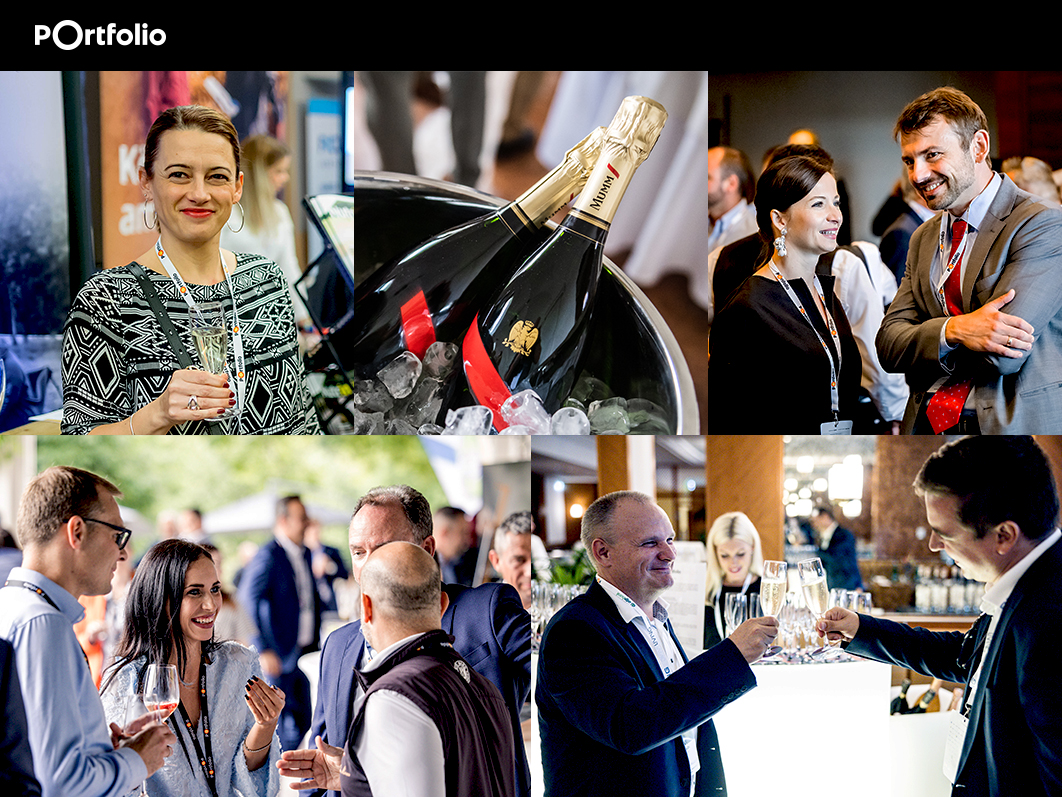
Miután megvitattuk a legégetőbb digitális, pénzügyi és üzleti trendeket és kihívásokat, jöhet a jól megérdemelt pihenés és szórakozás: állófogadással, italpultokkal és finomságokkal várjuk Önöket, ahol oldott hangulatban tovább gyűrűzhetnek a szakmai kérdések és felvetések, és új partneri-üzleti kapcsolatok köttethetnek. Találkozzon és koccintson a bankszektor legfontosabb szereplőivel: top vezetők, fintech-guruk, tanácsadók, szabályozók, startupperek, IT-cégek szakértői egy helyen!
Contact


