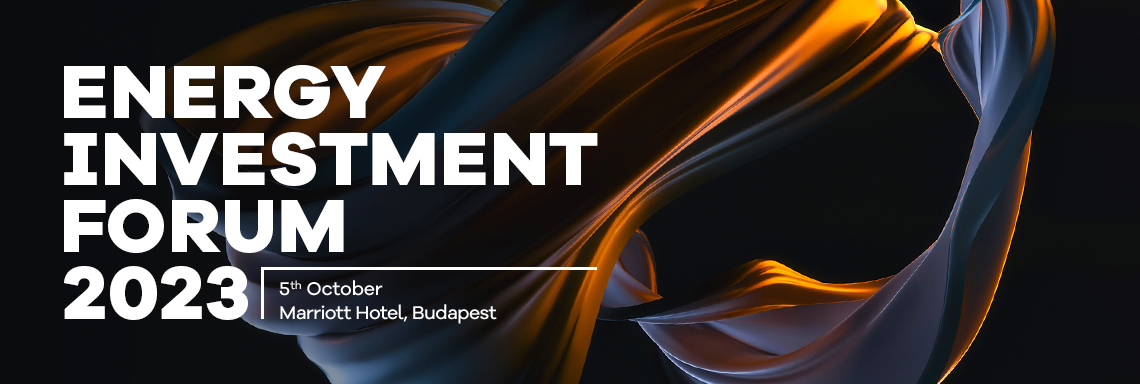
Do we still have to fear security of supply risks, especially in the gas market, or can affordability and sustainability come back to the focus in the energy trilemma even as the war continues? What gas and electricity prices should we expect anyway, after the massive fall in prices since last summer? Based on the experience of the energy crisis, what strategic steps are needed at the EU and Hungarian level, for example in the context of the National Energy and Climate Plan under review and the extended Recovery and Resilience Plan? How can the share of gas in the Hungarian energy mix be reduced, and what grid development and energy storage tasks do electrification and the solar power boom impose on the system operators? How does the exploitation of domestic resources, such as gas extraction and the increased use of geothermal energy, help to increase energy sovereignty, and what regulatory and practical steps are needed to achieve this? The distinguished speakers in the first session will seek answers to these highly important, strategic questions.
08:30 - 08:40
08:40 - 09:10
EU energy prospects in the 2023/2024 winter season
Speaker: Matthew Baldwin, Deputy Director-General, DG ENER (energy department of the European Commission)
09:10 - 09:40
The present and future of Hungarian energy policy
Speaker: Csaba Lantos, Energy Minister, Energy Ministry
09:40 - 10:00
Crisis and decarbonisation from a regulatory perspective
Speaker: dr. Edit Juhász, President, Hungarian Energy and Public Utility Regulatory Authority
10:00 - 10:15
10:15 - 10:30
We are building the future of the energy world
Speaker: dr. Guntram Würzberg, elnök-vezérigazgató, E.ON Hungária Zrt.
10:30 - 10:45
Unconsumed energy is the cheapest - we have heard it so many times in the past decades, but with the amazing energy prices in 2022, this became especially true, which raised the question of energy efficiency investments to the first place for many, and this topic is covered from several aspects in the Section II/A. We will talk about the typical directions of companies' energy efficiency investments, electrification trends, decarbonization challenges and, of course, security of supply, which remains in focus.
11:15 - 11:30
The role of capital in energy investments
Speaker: József Tóth, vállalati befektetési igazgató, Hiventures Zrt.
11:30 - 11:45
Energy efficiency vs. the market, i.e., is the energy not consumed really the cheapest?
Speaker: Csaba Fekete, üzletfejlesztési igazgató, Alteo
11:45 - 12:00
Energy procurement challenges for domestic companies and opportunities in energy trading
Speaker: Levente Kovács, Partner, energy market specialist, EY-Parthenon
12:00 - 13:00
Leaders’ panel discussion: The joint challenges of energy efficiency, security of supply and decarbonization in Hungary
Moderator: Attila Weinhardt, Senior Analyst, Portfolio
Conversation participants:
There is a huge expansion in the solar power market in Hungary, which raises a wide range of supply, grid development, storage and commercial challenges and issues, and these are the questions that Session II/B will explore from several approaches. For example, the prospects for industrial and residential solar power projects under and pending authorisation, the challenges of transmission and distribution grid development, the export-import implications of severe fluctuations in weather-dependent power generation, the possibilities for demand-side management, the role of energy storage and aggregators, green hydrogen production, and all in all, the possibilities for increasing the resilience of many elements of the system, and the constraints.
11:15 - 11:30
Security of Energy Supply and Energy Diplomacy
Speaker: Csaba Marosvári, Hungary’s Deputy State Secretary for Energy Security, Ministry of Foreign Affairs and Trade
11:30 - 11:45
A new focus: renewables trade in HUPX markets
Speaker: György Istvánffy, Director of HUPX Markets, HUPX Zrt., CEO, HUDEX
11:45 - 12:00
Evolution of the market for system-level services in the renewable electricity market
Speaker: Géza Losonczy, Associate Partner, Head of Energy & Utility Advisory Services, KPMG
12:00 - 13:00
Flexibility panel: Innovation opportunities in the flexibility market and energy storage
Moderator: Richárd Hlavay, Head of Communication Department, MAVIR Hungarian Transmission System Operator Co.
Conversation participants:
There has been a huge fall in prices on gas and power exchanges since last summer, but how much longer can it last and what kind of price range is in prospect? This is of crucial importance for many companies, affecting production costs and thus competitiveness, so as the new gas year begins and the new electricity year approaches, Session III/A will look at the prospects for price developments and the directions of contractual arrangements, their opportunities and potential difficulties from the perspective of several players.
14:00 - 14:15
Energy procurement schemes from a legal point of view
Speaker: Dr. Balázs Tomaj, Senior Counsel, Kinstellar Budapest
14:15 - 14:30
Experiences of the changed but consolidated energy market conditions in procurement strategies for 2024
Speaker: Dr Zoltán Nagy, President, Hungarian Industrial Energy Consumers’ Association (IEF)
14:30 - 15:20
Energy traders’ and industrial users’ panel discussion: What do they expect and demand in the changing energy procurement process?
Moderator: Gábor Bali, ügyvezető, Energiq Kft.
Conversation participants:
The energy transformation driven by the carbon neutral objectives indirectly requires dynamic development of electrical infrastructure at both local and national grid level. The use of new digital technologies has the potential to reduce the time needed for the desired transition and to improve the higher utilization of the existing infrastructure capacity. They also bring us closer to new revenue streams, market players, regulations and - last but not least - provide an opportunity to a mid-term technological development vision.
14:00 - 14:20
Technological improvements and electrical infrastructure development concepts
Speaker: Levente Balasa, Head of Smart Infrastructure, Siemens Zrt., Siemens Zrt.
14:20 - 14:40
Digitalisation solutions to serve today's complex requirements of the electrical grid
A foreign case study.
Speaker: dr. Werner Brandauer, Head of Power Systems Consulting and Grid Simulation Software SEE, Siemens AG Austria
14:40 - 15:20
Panel discussion: Development visions of electrical infrastructure from the perspective of major market players
Moderator: József Vass, TSO / DSO Senior Business Developer, Siemens Zrt.
Conversation participants:
The use of energy as a weapon, the targeted missile attacks on Ukraine's energy grid, and the blowing up of the Nord Stream have shed new light on previously separate terms such as geopolitics, security policy, energy infrastructure protection and cyber security, but nowadays these are often mentioned "in the same breath" in connection with the big issue of divesting from Russian fossil fuels. But what are the spill-over effects of this strategic goal stated at the EU level by Heads of State and Government, and what does it mean for the achievement of the climate protection and decarbonisation goals, which are also important? Is there still a way back in EU-Russian energy relations after the sanctions give-and-take, what could the accelerated achievement of climate targets mean for EU energy prices, and what consequences might higher energy prices in Europe compared to the US and the Far East have regarding the economy, competitiveness, and the choice of business sites? These comprehensive issues will be explored in the closing session of the conference with a number of distinguished invited experts.
15:50 - 16:05
European and global gas market changes amid geopolitical realignments
Speaker: Gergely Molnár, Gas Analyst, Directorate of Energy Markets and Security (Online)
16:05 - 16:20
Outlook for oil markets from a strategic perspective
Speaker: Gyula Marik, Supply Product Manager for CEE, Shell Hungary Zrt.
16:20 - 17:10
Panel discussion: The main practical consequences of the geopolitical and energy transition: where is Europe and, within it, Hungary heading?
Moderator: Attila Weinhardt, Senior Analyst, Portfolio
Conversation participants:
17:10 - 17:15
Closing remarks
Co-organizer

Main professional partner
Gold+ Sponsor

Gold Sponsor


Coffee Lounge sponsor
Silver Sponsor



Silver/Expert Sponsor




Official car rental partner
Accessibility Partner

Organisation, general questions

Sponsorship

Program