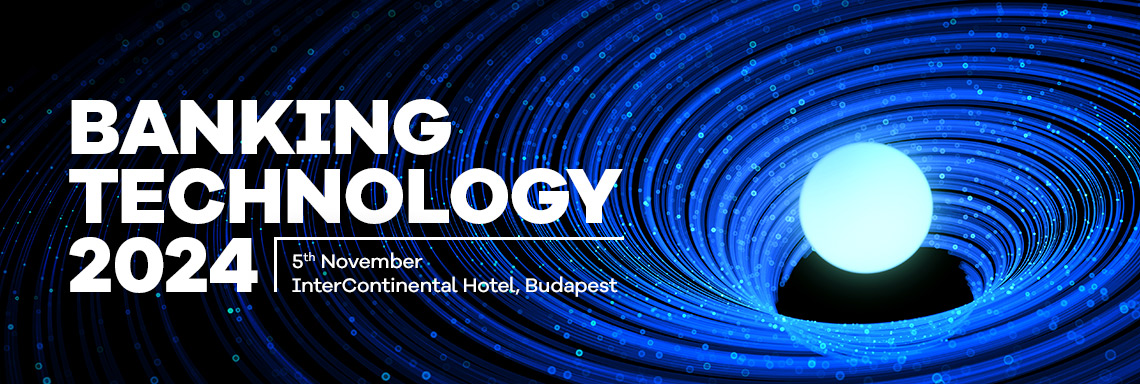
Banking Technology 2024
Program
The generative AI boom has sparked intense competition in the banking sector, with every bank's senior management frantically searching for where, for what, and how they can deploy artificial intelligence to gain a competitive advantage. Meanwhile, fintechs have also gained momentum: they are attracting more and more customers and threatening the markets of universal banks in an increasing number of areas. However, there are also examples of successful disruptors seeking partnerships with banks. At the same time, megatrends are also thoroughly reshaping the electronic payments market. Top leaders share their chosen strategies and how they are addressing the challenges.
Even though banks have stepped up a level in digital services in the last few years, only those with a well-thought-out innovation strategy can stand their ground in the fierce competition. Banking innovations are driven not only by AI technologies but also by improvements in UX, regulatory changes, security enhancements, process automation, and cost reduction. Digital and IT leaders of banks will discuss the hottest innovation trends.
Billions of forints are still disappearing from Hungarians' bank accounts every quarter, and although the previously alarming upward trend has somewhat subsided, the problem is still with us. How do we stop fraudsters and protect customers?
We can handle an increasing number of transactions digitally, take out personal loans via mobile devices, make instant transfers, and chat with financial assistants; however, the digital transformation of banks is far from complete. On the one hand, Hungarians are still using cash in many payment situations, but payment solutions based on Qvik and IPS (Instant Payment System) may soon change that. On the other hand, banking IT systems that support internal operations and increase efficiency are needed behind the front end. Are group-level solutions needed, or do customised developments and market-specific solutions yield better results?
Last year, 38 out of 100 payments were made electronically in Hungary, indicating that there is still plenty of room for digital payments to gain ground over cash. Card solutions and mobile payments continue to gain popularity among Hungarians at a rapid pace, while the Instant Payment System may also introduce a new dimension to the domestic payment landscape. What new developments are emerging in the domestic market, and what challenges need to be addressed? The section will discuss these.
After discussing the most pressing digital, financial, and business trends, we can move on to some well-deserved relaxation and fun. We will offer a standing reception, drink bars, and delicious snacks, where you can continue discussing professional matters and form new partnerships and business contacts in a relaxed atmosphere. Meet and toast with the key players in the banking sector: top managers, fintech gurus, consultants, regulators, start-up founders, and experts from IT companies, all at one event!

Contact


