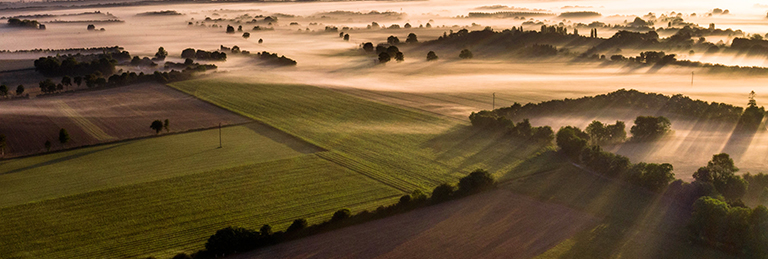

Are you a smallholder? Or have you started farming recently? Now, you can participate in one of the largest and most prestigious agricultural events of the year, the Agricultural Conference 2024 in Siófok, between the 4th and the 5th of December, with a 50% discount.
Please fill out the following form, and Portfolio’s professional team will assess your claim so that you can redeem your discounted ticket.
If you have filled out the form, save it and send it to kistermeloikedvezmeny@portfolio.hu
The subject of the letter: Portfolio Agricultural Conference 2024 – smallholder application
You can access the form by clicking here.
The participation fee does not include the registration fee for the professional programme on the 3rd of December, nor the dinner on that day. You can register for the programmes on the 3rd of December on the second page of the application.
Conference Eve – 3rd of December
The section will explore how reliably weather patterns, which fundamentally affect agricultural production, can be forecasted for both the short and long term and what kind of weather can be predicted for 2025. It will also address the extreme weather conditions and new risks that accelerated climate change may bring to the agricultural sector in the coming period. In the discussion, renowned meteorological experts will analyse the factors influencing climate change, the likely trends, and their impacts or consequences on weather patterns in Hungary. The discussion will also cover which Hungarian regions may be the most at risk and where the largest temperature fluctuations or changes in precipitation distribution are expected in the coming years and decades.
What are the chances of another devastating drought next year?
Can we already say with certainty that heat warnings will be issued in 2025?
Will spring frost damage remain an occasional inconvenience, or is it set to become an unavoidable phenomenon?
What are El Niño and La Niña, and what do they have to do with us?
What are the chances of extreme weather events in Hungary in the future?
Can we expect more frequent and significant inland and river floods?
Could the risk of storm and hail damage increase, and is the national hail damage mitigation system functioning effectively?
17:00 - 17:45
Roundtable Discussion: Concern for the Fields: What Weather Can We Expect in 2025?
Conversation participants:
Conference Eve – 3rd of December
Unconventionally, the Agricultural Conference will address the exciting economic policy and domestic political events that could significantly impact the daily operations of agricultural stakeholders in the coming months and years. The section not only reviews the anticipated key changes and economic and internal policy forecasts but also aims to illuminate and assess the most critical issues from the perspective of agricultural businesses, thus providing answers to how the likely economic and political trends may impact their actual operations. Participants will receive useful background information on the most significant conditions and pitfalls influencing macroeconomic factors, the expected developments in domestic political circumstances, and the opportunities for representing the interests of the agricultural sector within the context of the country's economic and political landscape.
What are the important economic policy developments that the domestic agricultural sector should pay attention to in the coming period?
What international events are most likely to affect domestic economic and political conditions?
How might the domestic political balance of power change between now and the 2026 elections?
How is the political representation and advocacy of agriculture today, and how can it evolve in the next period?
What economic and political processes could be disadvantageous or beneficial for the participants in the agricultural sector?
17:45 - 18:30
Roundtable Discussion: American Presidential Election, 2026 Parliamentary Elections: What Domestic Political and Economic Events Can Farmers Expect?
Conversation participants:
Conference Eve – 3rd of December
Twenty years after joining the European Union, what condition is the Hungarian agricultural economy in? This session reviews the situation of the agricultural sector with the participation of renowned experts. It will discuss how domestic agricultural enterprises can overcome emerging management and market difficulties, what the biggest challenges will be in the coming years, and the direction we are heading in or should be heading. The section also aims to provide answers regarding the most prominent breakthrough points for the sector and how market players can best leverage the available business opportunities. The comprehensive, interactive discussion will introduce and lay the groundwork for the substantive professional programmes of the Agriculture Conference over the next two days.
What position does the Hungarian agricultural economy hold in the EU agricultural sector?
Is the domestic sector a winner or a loser from joining the EU?
What trajectory is the Hungarian agricultural economy on, and is there a need for a change in direction?
What are the biggest breakthrough opportunities for the agricultural sector in the coming years?
How might the EU and domestic agricultural regulatory environment change?
What are the biggest challenges and threats that Hungarian agricultural stakeholders need to prepare for?
What strategy should agricultural enterprises follow in their business and investment decisions?
18:30 - 19:15
Twenty Years in the European Union: Is the Hungarian Agricultural Economy a Winner or a Loser? – Breakthrough Opportunities for Domestic Agricultural Enterprises
Conversation participants:
KIZÁRÓLAG REGISZTRÁLT RÉSZTVEVŐINK SZÁMÁRA ELÉRHETŐ!
A konferencia 1. és 2. napján (december 4-5.) ingyenes masszázs lehetőséget biztosítunk.
A részvétel regisztrációhoz között. Helyét kizárólag akkor tudja lefoglalni, ha már rendelkezik belépőjeggyel a rendezvényre. A jelentkezés elfogadásáról értesítést küldünk. Amennyiben az adott időpont betelt az a jelentkezés során már nem választható.
Időpontok:
1. nap - december 4. 14:00-18:00 között
2. nap - december 5. 9:00-13:00 között
Felhívjuk szíves figyelmüket, hogy vis maior esetén a programváltoztatás- vagy lemondás jogát fenntartjuk.
An unprecedented wave of farmer protests erupted at the beginning of the year in the European Union due to dissatisfaction with the Common Agricultural Policy (CAP). Following the recent European Parliament elections, one of the most important questions today is how the CAP might change, whether the green ambitions viewed as excessive will ease, and how the regulatory environment that significantly influences the situation of agricultural stakeholders may develop in the coming period. The section also addresses whether EU expenditures that can be allocated to the CAP will increase or decrease, what the main budgetary priorities might be, and how, in line with these, the short- and long-term support positions of domestic farmers may change.
How might the results of the European Parliament elections affect the EU CAP?
Could the supposedly excessive "green pressure" within the Common Agricultural Policy ease?
What new directions might emerge in EU agricultural regulation?
Could the regulatory environment become more advantageous for farmers?
Will the EU budgetary resources affecting the CAP increase or decrease?
How might the support positions of domestic agricultural sector stakeholders change in the coming years?
08:00 - 08:05
08:05 - 08:25
The Agricultural Economic Achievements of the Hungarian EU Presidency – The Objectives of Domestic Agriculture in 2025
Speaker: István Nagy, Agriculture Minister, Ministry of Agriculture
08:25 - 08:45
The Development and Efficiency of Fertiliser Use in Hungary - Comparing Fertiliser Use in Hungary to Western European Countries
Speaker: László Bige,
08:45 - 09:00
At a Turning Point: How Can the Hungarian Agricultural Economy Become More Competitive?
Speaker: Csaba Gyuricza, Director, Nemzeti Agrárkutatási és Innovációs Központ
09:00 - 09:45
Roundtable Discussion: Massive Farmer Protests, European Parliament Elections in 2024 – What Direction Might the EU’s Common Agricultural Policy Take?
Conversation participants:
09:45 - 10:30
Roundtable Discussion: Negotiations on Ukraine's EU Accession Begin – What Awaits Domestic Agriculture?
Conversation participants:
Could the macroeconomic environment fundamentally affecting domestic agricultural enterprises become more favourable in the upcoming period, and what are the development prospects for the Hungarian economy? This section will explore these questions and analyse the key factors influencing access to credit and credit conditions. It will discuss how the financing opportunities for agricultural market players may evolve and what preferential loan programmes and support schemes they can access. Financial sector leaders will also share information on the new credit products that banks are offering to their agricultural clients.
How might the domestic macroeconomic environment change in the upcoming period?
How might the conditions for accessing credit and the terms of loans change in the domestic market?
From a financing perspective, how do financial institutions assess their agricultural clients?
What are the key banking requirements for agricultural lending?
How can agricultural sector stakeholders access cheap loans?
What discounted loan programmes and support schemes can agricultural enterprises access?
What loan products and structures have banks and financial institutions developed or are currently developing for the agricultural sector?
10:50 - 11:00
Ten Crucial Ingredients for the Successful Implementation of the 2024–2027 Investment Programme
Speaker: Dávid Hollósi, President , Board Member, Magyar Bankszövetség agrár munkabizottság
11:00 - 11:40
Roundtable Discussion: After Difficult Times, Before Stabilisation – Where to Next for the Hungarian Economy?
Conversation participants:
11:40 - 11:50
If Not Us, Then Who? If Not Now, When? – What Will 2025 Bring to the Hungarian Economy?
Speaker: István Szabó, Executive Director, OTP Bank Corporate and Agricultural Directorate
11:50 - 12:30
Roundtable Discussion: How Can We Access Cheaper Agricultural Loans? – Discounted Loan Programmes, Support Schemes, and New Banking Loan Products for Agricultural Enterprises
Conversation participants:
The conditions for feeding have significantly improved compared to the past, as evidenced by the increase in feed sales in the domestic market. However, it is essential to consider whether the more favourable trend can be maintained and in what direction the operational conditions of the feed industry may change. The section will explore how the factors influencing the feed market may evolve in 2025, what price trends livestock farmers can expect, what investment opportunities may arise from rural development resources for the feed industry, and what the latest technologies and formulations are that can help livestock producers improve their feed efficiency. The section also addresses the new challenges posed by artificial and lab-grown meats and the efforts aimed at their regulation, which may impact the market position of livestock farmers and feed manufacturers.
What key trends are likely to characterise the domestic feed market in 2025?
What feed prices can livestock farmers expect next year?
How can feed costs be reduced in the key livestock sectors?
What are the latest technologies and products that livestock farming enterprises can use to make their feeding more efficient?
What threat do lab-grown and artificial meats pose to livestock farming and, indirectly, to the feed industry?
When will lab-grown and artificial meats be banned in Hungary?
13:20 - 13:30
Security as the Key to Progress – Opportunities and Obstacles in Animal Husbandry
Speaker: Zoltán Kulik, vezérigazgató, Vitafort Zrt.
13:30 - 13:40
Eastern Opening: Central Asian Investment in the Feed Industry
Speaker: Péter Horváth, Board member, UBM
13:50 - 14:35
Roundtable Discussion: Favourable Changes and Dynamic Growth in the Feed Market – Expected Feed Prices, Modern Technologies and Formulations
Conversation participants:
14:35 - 15:05
Roundtable Discussion: Artificial Meats and Lab-Grown Meats: A Threatening Danger in Livestock Farming – Hungarian Responses to Counter Market Expansion
Conversation participants:
In Hungary, investments in machinery have stalled due to the profitability issues in arable crop production, as these clearly impact farmers' decisions regarding machinery purchases. As a result, there is a particularly important role today for the subsidies that encourage and facilitate agricultural machinery purchases. The session analyses the current machinery market situation, presents the details of the rural development grant that supports precision farming and outlines the new loan and leasing structures available for machinery purchases. Additionally, experts will discuss the agricultural economic applications of robotics and the profit-enhancing modern solutions that artificial intelligence and digitalisation techniques can offer to agricultural enterprises.
What price and distribution trends are expected in the domestic agricultural machinery market under the current situation?
How can farmers obtain support from the precision rural development grant?
What new leasing and loan structures can be accessed for agricultural machinery purchases?
In which areas of the agricultural economy can the latest robotic solutions be most effectively applied?
What advantages can the use of artificial intelligence provide to agricultural businesses?
What are the latest digitalisation development trends and opportunities in agriculture?
13:20 - 13:30
Sustainable Soil Conservation Tillage System With a Precision Approach
Speaker: Zalán Zahorán, Deputy CEO, KITE Zrt.
13:30 - 14:10
Roundtable Discussion: Lost Momentum and Uncertainty in the Agricultural Machinery Market: New Grant Opportunities, Loan and Leasing Alternatives – The Future of Precision Farming and Robotics in Hungarian Agriculture
Moderator: Viktória Vona, CEO, owner, Csernozjom Kft.
Conversation participants:
14:10 - 14:25
Integration of Robots, IoT, and Artificial Intelligence
Speaker: László Kóté, Deputy Chief Operating and Marketing Officer, Delta Systems Kft.
14:25 - 15:05
Roundtable Discussion: Applications of Artificial Intelligence in Agriculture – Profit Enhancement with the Most Advanced Digitalisation Solutions
Moderator: Péter Miklós Varga, Permanent Expert, Cibus Hungaricus Foundation
Conversation participants:
In today's uncertain and cost-increasing energy market, it is becoming increasingly important for agricultural businesses to improve the efficiency of their energy use. The section will review the expected energy market trends and explore the opportunities for industry players to enhance their energy efficiency. There will be a discussion on the available grants and funding opportunities for these purposes, as well as the renewable energy sources that agricultural businesses can rely on and the efficiency-enhancing renewable energy developments they can implement. The other topic of the section will focus on how producers can improve the efficiency of their fertiliser use. Experts will analyse the fertiliser market processes and provide a forecast of how fertiliser prices may develop in the domestic market in the coming period.
What supply and pricing conditions can be expected in the energy markets?
What funding opportunities are available for agricultural businesses to improve their energy use efficiency?
What could be the most effective renewable energy developments in agriculture?
What factors could influence the domestic fertiliser market in the upcoming period?
How might fertiliser prices evolve in 2025?
What new products and technologies can farmers use to enhance the efficiency of their fertiliser use?
13:00 - 13:15
Locally Producible Green Energy – the Self-Sufficiency Opportunities of Hungarian Agriculture
Speaker: Róbert Fehér, CEO, 8G Energy
13:15 - 14:20
Roundtable Discussion: Energy Efficiency Improvement Investments in Agriculture – Renewable Energy Developments and Funding Opportunities, Energy Market Trends in 2025
Moderator: Attila Weinhardt, Senior Analyst, Portfolio
Conversation participants:
14:20 - 15:05
Roundtable Discussion: Declining Prices, Increasing Purchases in the Fertiliser Market: What Can Farmers Expect Next Year? – Market Factors Influencing Fertiliser Prices
Moderator: Lajos Braunmüller, Editor, Portfolio
Conversation participants:
The food industry plays a prominent role in Hungary and is now considered a distinguished sector from the perspectives of food security, sovereignty, and strategic importance. The session provides a detailed analysis of the investment opportunities for food industry enterprises, with a particular focus on grant support available through rural development programmes. Additionally, the experts will address the industry’s competitiveness strategy, the experiences regarding regulatory changes affecting food packaging, as well as future modification proposals and modern, innovative packaging solutions.
What are the key elements of the competitiveness strategy for the food industry?
Which businesses can become national champions, and what advantages can they enjoy?
How can businesses in the food industry successfully apply for rural development grants?
What are the most promising development directions for the domestic food industry?
What are the key experiences regarding regulatory changes related to food packaging, and what further modifications can be expected?
What innovative packaging solutions can food industry businesses implement?
13:00 - 13:10
13:10 - 13:25
Seasoned with EU funds - Development and innovation in the food industry
Speaker: Bernadett Petri, ügyvezető igazgató, Magyar Fejlesztésösztönző Iroda (MFOI), Közigazgatási és Területfejlesztési Minisztérium közvetlen uniós források felhasználásának koordinációjáért felelős miniszteri biztos
13:25 - 14:20
Roundtable Discussion: Support and Development Boom in the Food Industry: Requirements for Successful Applications, New Opportunities in 2025 – The Industry's Competitiveness Strategy
Moderator: László Friedrich, university professor, institute director, Hungarian University of Agriculture and Life Sciences
Conversation participants:
14:20 - 14:25
Recycled or Reusable? – Which Should We Choose in the Name of Sustainability? (video)
Speaker: Szilvia Szőke, Sales Director, LC Packaging
14:25 - 15:05
Roundtable Discussion: Criteria for Sustainable Food Packaging: Domestic Regulatory Experiences and Upcoming Changes – Modern Packaging Solutions and Innovative Products
Moderator: Attila Kiss, kutatóprofesszor, innovációs dékán-helyettes, Széchenyi István Egyetem, Albert Kázmér Mosonmagyaróvári Kar
Speakers:
Today, one of the biggest challenges for domestic horticulture is how to effectively utilise the support opportunities offered by newly available rural development grants. The main focus of the section is on the opportunities that may arise for the development of greenhouses, polytunnels, cold storage facilities, and plantations within the sector. It will highlight the most significant investment intentions and discuss which market players may successfully apply for grants based on previous experiences. The session will also address the sector's fight against climate change, which is also affecting horticulture, including issues such as varietal conversion and the use of modern technologies.
What are the most urgent development requirements of the domestic horticultural sector?
Who can successfully apply for the support of rural development grants?
Based on previous grant application experiences, what are the most popular development objectives in the Hungarian horticultural sector?
What tools can producers use to combat the adverse effects of climate change?
Which crops require varietal changes for modern vegetable and fruit production?
Which fruit plantations and vegetable crops should be prioritised for development in the future, and in which areas is it advisable to discontinue production?
14:00 - 14:10
The necessary directions for the development of the fruit and vegetable sector
Speaker: Ferenc Apáti, elnök, Fruitveb
14:10 - 15:05
Roundtable Discussion: Greenhouses, Polytunnels, Cold Storage Facilities, and Plantations: Who Can Benefit From the New Horticultural Grants? – Combating Climate Change Through Developments and Varietal Changes
Conversation participants:
After a series of crises in recent years, the pressure on domestic livestock farms has eased, and output has increased in the main livestock sectors. The session will outline what farming conditions will be like next year in the main product sectors, primarily cattle, pig, poultry and sheep, what profitability producers can expect, and what development and animal health challenges and support opportunities they should be prepared for. In this section, the Portfolio Group will host the Dairy Forum, which will focus on whether the domestic dairy sector is set for a more sustained recovery after the recent series of crises and what further support and stabilisation regulatory measures are needed.
What cost and profitability conditions can farmers expect next year in the key livestock sectors?
What new development and other support options can livestock farmers access?
How might the animal health requirements change, and what support can be utilised for prevention?
How might the profitability situation of the dairy sector develop in the coming years?
What developments are needed in milk production and the dairy industry to enhance competitiveness?
How might milk purchase prices and market processes affecting the dairy sector evolve in the coming years?
What measures can be taken to combat the increasing threat of imports in the domestic milk market?
15:25 - 15:35
15:35 - 15:45
Biotechnological Solutions to the Challenges in Animal Husbandry
Speaker: László Bustyaházai, Feed Business Unit Manager, Member of the Board of Directors, UBM Feed Kft.
15:45 - 16:25
Roundtable Discussion: A Positive Turn in Domestic Animal Husbandry – Cost Trends and Market Prospects for 2025, New Support Opportunities, and Animal Health Measures
Conversation participants:
16:25 - 16:35
Milk at Its Best: Is Quality Enough, or Is Added Value Needed Too?
Speaker: Attila Kiss, kutatóprofesszor, innovációs dékán-helyettes, Széchenyi István Egyetem, Albert Kázmér Mosonmagyaróvári Kar
16:35 - 17:15
Roundtable Discussion: Portfolio Dairy Forum – 2nd Edition: Encouraging Signs After a Series of Crises? – The Future of the Dairy Sector in Hungary
Conversation participants:
The potential applications of drones in Hungarian agriculture are becoming increasingly promising; therefore, it is now essential for farmers to be aware of the legal regulations, technical requirements, and economic conditions surrounding drone use. The session will explore the latest regulatory requirements for the use of drones in agriculture, what types of drones are available to farmers, and the areas of farming where businesses can use drones effectively. The discussion will also cover when to decide to buy a drone and the cost and return/profitability ratios of drone investments.
What are the basic agricultural conditions for legal drone use?
How is the domestic drone pilot training system structured?
What new regulations, for example on crop protection, could facilitate the use of drones in agriculture?
Which agricultural activities are worth using drones for?
What cost structures and profitability indicators characterise the use of drones?
What types of drones are suitable for agriculture, and for what purposes should they be used?
15:25 - 15:45
This Is How Spraying Drones Are Transforming Europe’s Agriculture – Key Insights From 2024
Speaker: Károly Ludvigh, CEO, ABZ Innovation
15:45 - 17:15
Roundtable Discussion: Agricultural Alternatives for Legal Drone Use – Drone Types, Applications, Regulatory Requirements and Economic Considerations
Conversation participants:
How to protect their crops in the face of increasingly extreme weather conditions has become one of the most important issues for domestic farms. The experts will focus on presenting new pesticides and their application technologies, as well as biological pest control solutions that enhance the effectiveness of pest management. They will also discuss the risks associated with the use of illegal or counterfeit pesticides. Another key topic of the section will be the reform proposals aimed at transforming seed multiplication and distribution within the European Union. Additionally, there will be discussions on what seed prices and variety availability farmers can expect in 2025.
How can farmers protect their crops amid increasingly extreme weather conditions?
What new plant protection products are available for effective crop protection?
What are the main directions of biological plant protection developments?
What risks are associated with the use of counterfeit and illegal plant protection products?
What regulatory reform is in store for EU seed propagation and distribution?
How can farmers mitigate the adverse effects of climate change on seed use?
What variety offerings and price conditions are expected next year in the domestic seed market?
15:25 - 15:35
Climate Change, EU Expectations, Market Uncertainties: What Is Next For Plant Protection?
Speaker: Róbert Görög, Managing Director, Hungarian Crop Protection Association
15:35 - 16:20
Roundtable Discussion: How Can We Protect Our Crops Under Extreme Weather Conditions? – New Plant Protection Products and Biological Solutions, Combating Counterfeit and Illegal Products
Moderator: Róbert Görög, Managing Director, Hungarian Crop Protection Association
Conversation participants:
16:20 - 16:30
Changes in EU Regulations on Seeds and Propagation Materials
Speaker: Gábor Polgár, Executive Director, Hungarian Seed Association and Product Council
16:30 - 17:15
Roundtable Discussion: EU Regulatory Reform in Seed Propagation and Distribution – Hungarian Seed Prices and Varietal Offerings in 2025
Moderator: Gábor Polgár, Executive Director, Hungarian Seed Association and Product Council
Conversation participants:
Can domestic food consumption enter a sustained growth trajectory, and how are the sales opportunities in the food industry expected to evolve in the coming period? This section focuses on these topics, aiming to provide a forecast for industry enterprises to enhance their planning capabilities. The participants in the discussion will address the marketing tools and strategies that food industry businesses can employ to achieve success in both domestic and international markets. There will also be a discussion on the main ways to increase domestic agricultural exports and what financing and support solutions can be used by the industry to develop exports.
What consumption trends are likely to emerge in the domestic food market?
How can food industry businesses strengthen their positions in the domestic market?
What types of support and funding can be accessed in community agrarian marketing?
In which areas is there potential for increasing Hungarian agricultural exports?
What financing and support structures can assist in the development of food industry exports?
15:25 - 16:10
Roundtable Discussion: How Can We Become Successful Suppliers? – Experiences of an International Corporation and Hungarian Agricultural Market Participants
Moderator: Lajos Braunmüller, Editor, Portfolio
Conversation participants:
16:10 - 16:25
The Past, Future, and Significance of the Székely Product Trademark System in the Food Market
Speaker: István Becze, Chairman, Székely Gazdaszervezetek Egyesülete
16:25 - 17:15
Roundtable Discussion: Anticipated Turning Point and Growth Prospects in the Domestic Food Market: Marketing Tools for Successful Market Entry, Key Directions for Export Development, and Financing Options
Moderator: László Friedrich, university professor, institute director, Hungarian University of Agriculture and Life Sciences
Conversation participants:
By the end of summer, agricultural producers had reported drought damage on nearly 400,000 hectares, further underscoring the urgent necessity for accelerated irrigation development in Hungary once again this year. The session will highlight where opportunities for irrigation investments may arise, the costs that producers may face, and the potential support they can obtain through new rural development grant opportunities. The session will also address how banks can complement the new grant support with various irrigation loans, as well as what administrative investment and other fee support measures agricultural enterprises can expect as additional facilitation.
Where is the necessary state infrastructure for irrigation development currently available or expected to be established in the near future?
What new irrigation development rural development grants can agricultural producers apply for?
What irrigation loan schemes are banks developing for investments?
What costs should farmers anticipate for irrigation developments?
Which crops should be irrigated, and when can the investments be expected to pay off?
What administrative simplifications and fee subsidies can farmers expect in irrigation development and water usage?
What are the most advanced irrigation solutions for various field crops?
The New Irrigation Rights: What Should Be Known About This Opportunity, and How Can It Benefit Investing Farmers?
15:25 - 15:45
Major Legislative Changes: New Regulations in Irrigated Farming and Water Management
Speaker: Tamás Andréka, State Secretary, Ministry of Agriculture
15:45 - 16:05
16:05 - 17:15
Roundtable Discussion: New Irrigation Development Grant in the Fight Against Drought: How Can We Access Funding and Bank Loans for Irrigation-Based Farming? – The Creation and Significance of Irrigation Rights
Conversation participants:
Due to drastic declines in weather and market conditions, the profitability of arable crop production has worsened significantly. These negative trends appear to be so severe that they may necessitate a substantial change in the previously established sowing structure. The section explores what could be cultivated instead of the long-dominant crops, primarily wheat, corn, and sunflowers, and how farmers might partially replace these crops with alternative plants. Experts also analyse how competitive farm sizes are changing in Hungary due to economic, market, and weather impacts, as well as the opportunities and tools available to farmers to survive in the rapidly changing agricultural landscape with their cultivated areas.
How is climate change affecting the crop structure in Hungary?
In which regions can we expect further drastic climatic impacts to occur?
What crops can farmers plant instead of the traditionally cultivated, extensive arable crops?
How do changing agricultural conditions affect the competitive farm size in Hungary?
In the long term, what size of agricultural operations will be able to survive in the intensifying market competition?
17:15 - 17:25
The Hungarian State Treasury’s 2024 Subsidy Payments – 2025 Payment Plans and Farmer-Friendly Developments
Speaker: Miklós Detre, Vice President, Hungarian State Treasury
17:25 - 17:35
This Year, Soybean Planting Area Reached a Historical Record – Why Now, and What Does the Future Hold?
Speaker: Zoltán Bene, cégvezető, Karintia Kft.
17:35 - 18:15
Roundtable Discussion: Climate Change Disrupts Everything: What Should Be Grown on Hungarian Arable Land? – New Criteria for Structural Change and Competitive Farm Size
Conversation participants:
This year, we recognise the most outstanding Hungarian performances in 9 categories!
Portfolio Group will acknowledge the most successful and remarkable agribusiness actors once again at one of the most important agricultural events of the year, the 2024 Agricultural Conference. The winners will be selected by a prestigious jury who will reward the following categories:
Woman Agripreneur of the Year,
Young Agripreneur of the Year,
Horticulturist of the Year,
Livestock Producer of the Year,
Crop Producer of the Year,
Agricultural Innovation of the Year,
the winner of the Award for Sustainable Agriculture,
Agricultural Investment of the Year,
the Portfolio Award for Agribusiness.
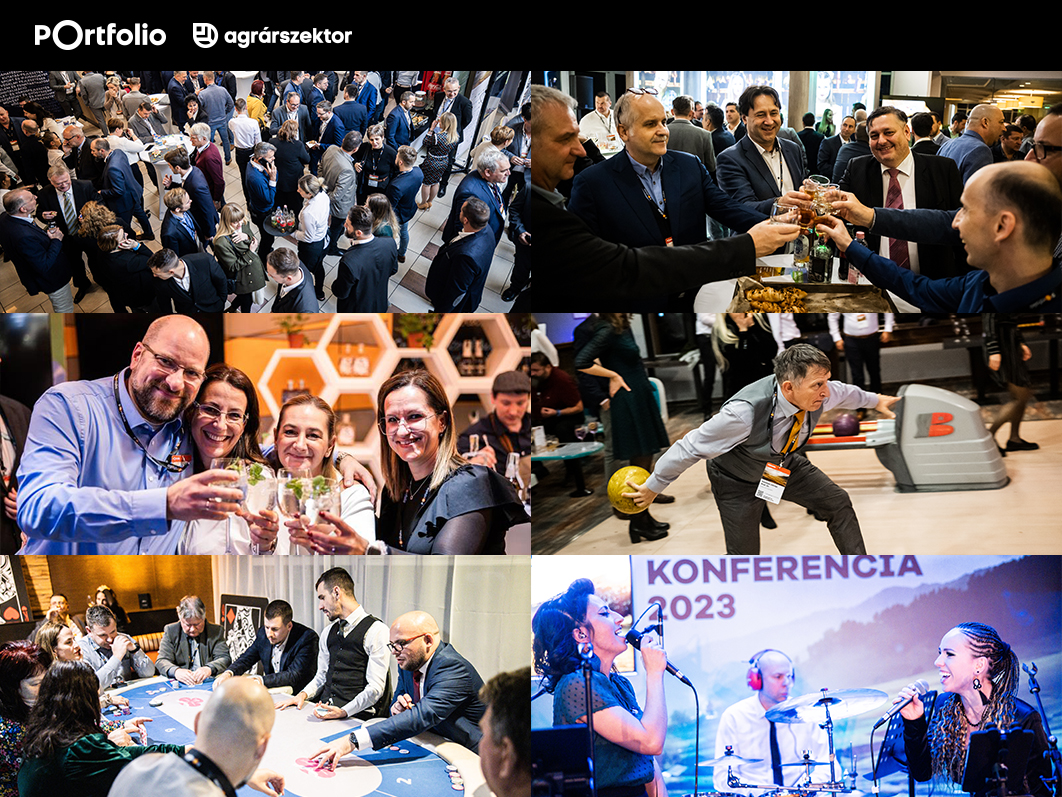
After the awards ceremony, everything will be given for our participants to discuss the most exciting professional issues and create new partnerships and business links or tend to the existing ones in a relaxed atmosphere.
We provide various programmes for your evening entertainment, as usual:
• Participate in a Casino Party with your colleagues
• Roll a ball in the hotel bowling alley
•This year, we also considered lovers of quality beers, wines, champagnes, brandies and gins.
• Stay with us until the end of the event for a stuffed cabbage to close the evening at midnight.
Sustainability expectations are becoming increasingly important in EU agriculture, making it essential for producers to understand how EU regulations regarding sustainability are evolving, what obligations they impose on farming practices, and how these regulations will impact agricultural businesses. The section reviews the legal framework surrounding agricultural sustainability, including the recently adopted EU Nature Restoration Law and expected changes to the requirements, and analyses whether further regulatory ambitions could have a production-reducing effect on Hungarian agriculture. Experts will present the advantages, criteria, and opportunities for regenerative soil management in Hungary and in this context, they will also discuss the long-term business opportunities that carbon credit trading may offer to agricultural producers. There will also be a discussion on which farmers can participate in the long-awaited new agri-environmental and organic farming programme starting next year and what level of funding they can expect from these grants from 2025 onwards.
How do the EU's sustainability efforts impact Hungarian agriculture?
What obligations might the recently adopted Nature Restoration Law impose on producers?
How might the EU regulations concerning sustainability change in the upcoming period?
Could the sustainability regulations lead to significant production reductions in Hungarian agriculture?
What are the criteria and advantages of regenerative soil management?
What soil-friendly technologies can farmers use in Hungary, and what input materials/products assist in sustainable soil management?
What long-term business advantages could the trading of carbon dioxide quotas provide for agricultural producers?
Who can benefit from the re-launched agri-environment and organic farming grants, and what amount of support can farmers expect to receive starting next year?
08:40 - 09:10
09:10 - 09:25
ESG in the Food Industry – a New Approach From a Health, Sustainability, and Governance Perspective
Speakers:
09:25 - 10:05
Does Production Need To Be Reduced on Hungarian Farmland Due to the EU’s Sustainability Goals? – The Advantages of Regenerative Soil Management, a Smaller Carbon Footprint, and the Agricultural Business Opportunities of Carbon Quota Trading
Moderator: Dávid Mezei, Head of Unit, MBH Bank
Conversation participants:
10:05 - 10:35
Roundtable Discussion: The New Agri-Environmental Management and Organic Farming Grants Are Coming: Who Can Receive Support and Under What Conditions From 2025?
Moderator: Dávid Mezei, Head of Unit, MBH Bank
Conversation participants:
While the farming conditions for agricultural sector players are fundamentally shaped by the EU's Common Agricultural Policy (CAP), it is becoming increasingly important to pay attention to regulatory areas that are not part of the CAP but can significantly influence the operational scope and opportunities within the agricultural economy. The session will examine the potential impact of EU regulations outside the Common Agricultural Policy on agricultural production. It will also discuss the additional sources that domestic agricultural market participants can apply for beyond the CAP, as well as the purposes for which the awarded funding can be utilised. The discussion will focus on how agricultural businesses can access additional EU funding beyond the CAP and the most effective ways to utilise these funds to enhance their competitiveness.
What impact could EU regulation outside the CAP have on domestic agricultural production?
What support can Hungarian agricultural businesses apply for outside the Common Agricultural Policy?
How can farmers access additional funding beyond the amounts available through the CAP?
In which farming areas can funds from outside the CAP be used?
How can the available funding improve the competitiveness of Hungarian agriculture?
10:55 - 11:10
Research and Development for Agricultural Sustainability
Speaker: Orsolya Somogyi Frizon, Deputy Head of Unit, European Commission
11:10 - 11:55
Roundtable Discussion: The Impact of EU Regulations Beyond the Common Agricultural Policy on Agricultural Production – Funding and Application Opportunities Outside of the CAP
Conversation participants:
Domestic agricultural market participants must stay up-to-date with the latest agricultural innovations that can significantly enhance the effectiveness of their economic activities. Adopting and applying new products and farming management practices can guarantee that agricultural enterprises operate more efficiently and competitively in line with modern requirements. The session will feature ten-minute presentations on outstanding and exemplary agricultural innovation developments in Hungary.
10:55 - 11:05
The Activities and Agricultural Innovation Efforts of the Hungarian Association for Innovation
The presentation is about the goals of the Hungarian Association for Innovation (MISZ) and the strengthening of the role of innovation in stimulating the economy. The speaker will report on the latest Hungarian Innovation Grand Prize competition, which annually recognises the most significant domestic innovations, including agricultural innovations. In addition, the speaker will discuss the National Science and Innovation Olympiad, a talent-scouting competition with a 34-year history in the STEM fields, which supports participating students with mentoring, scholarships, and international opportunities. There will be a discussion on the role of the renewed regional directorates, the benefits of membership, the services offered by the Hungarian Innovation Association (MISZ), and the planned collaboration between MISZ and the Ministry of Agriculture.
Speaker: Csaba Bőthe, Managing Director, Magyar Innovációs Szövetség
11:05 - 11:15
Smart Farm – The Automated Facility
The presentation will demonstrate how to transition cost-effectively to data-driven farming, as well as how to overcome labour shortages and manage energy costs. The information presented will support the idea that building an efficiently operating agricultural facility is no longer as difficult as it once was.
Speaker: József Kövesdi, Managing Director, Okosfarm
11:15 - 11:25
Data-driven Future in the Agricultural Sector: How is AI Shaping Decision-Making?
The agricultural sector holds vast amounts of information, but this wealth of data alone does not guarantee a competitive advantage. The real value lies in effective analysis and fast, fact-based decision-making. The presentation aims to demonstrate how artificial intelligence (AI) can become the most significant strategic tool in agricultural decision-making.
Speaker: Benedek Késmárki, Managing Director, BlueBAX Solutions Kft.
11:25 - 11:35
Successfully Without Gluten – One of the Most Innovative Market Niches in the Food Industry
The gluten-free market, shedding its childhood ailments, is slowly entering adulthood. Initially, when we thought of a product being gluten-free, it was mainly consumers suffering from certain diseases that came to mind. Currently, this category is increasingly targeting consumers who do not have any illness but have a demand for a healthy lifestyle. The latest versions of gluten-free products are, in fact, one of the most innovative parts of the food industry. In addition to innovative gluten-free pasta and extruded products, the biggest technological challenge lies in the development of gluten-free bakery goods. In order to create tasty and nutritionally modern products, it is essential to present more advanced ingredients, technologies, and the latest innovations compared to previous ones.
Speaker: Erzsébet Némedi,
11:35 - 11:45
Nanobubble Technology for the Agriculture of the Future: Significant Yield Increase, Shorter Production Cycles, Extended Shelf Life
The presentation is about a real, marketable, and sustainable technological innovation. In our world, where sustainable farming practices are no longer an option but a necessity, nanobubble technology offers new opportunities for agricultural producers who use irrigation. This innovative, chemical-free solution improves soil and plant health, enhancing their stress resistance. It adaptively alters the water absorption capacity of plants, increases biomass volume, and promotes and supports higher yields – all while reducing dependence on chemicals.
Speaker: Tamás Schneider, Managing Owner, Greenwave Technology
11:45 - 11:55
Birdwatcher - Mesterséges intelligencia a baromfiistállóban
A hatékony nagyüzemi baromfihústermelésben az egyik legfontosabb a madarak testsúlyának naprakész ismerete. A Birdwatcher egy egyetemi berkekből indult magyar fejlesztés, amely kameraképek mesterséges intelligenciával való elemzésével ad információt a baromfiállomány testsúlygyarapodásáról.
Speaker: Márta Alexy,
What to expect in the cereals market remains a major puzzle for domestic farmers. It is not only extreme weather conditions that cause problems for farmers but also opaque and unpredictable market processes. The session will focus on providing producers with a forecast of the factors affecting the cereals market and the prices and outlets expected in 2025. There will also be a discussion on how farmers can protect themselves against risks in the cereals market and which varieties and technologies they should switch to in order to reduce their exposure to weather and market anomalies. The discussion will also cover the quality requirements of buyers in the cereals sector and the new market opportunities for the production and sales of premium wheat.
What factors could determine the trends in the cereals market in 2025?
How can buying prices develop in the cereals market?
What costs can farmers expect next year, and how will the profitability of the main crops such as wheat and maize change?
How long should producers store their cereal stocks and when should they enter the market?
How can the weather and market risks of cereal production be reduced?
How can we achieve better prices on the market and what varieties and cultivation technologies can be used to meet quality market demands?
What opportunities can premium quality wheat offer in today's market and farming conditions?
11:55 - 12:10
The Most Important Updates on Land Regulation – Changes in the Electronic Land Registry
Speaker: Tamás Andréka, State Secretary, Ministry of Agriculture
12:10 - 12:55
Roundtable Discussion: Uncertainty and Unpredictability in the Cereals Market: What Prices Can We Expect in 2025? – Quality Requirements and Premium Wheat, Contracting and Sales Strategies
Conversation participants:
What are the main trends that are shaping innovation in the world of agribusiness today? This is the focus of this session, which aims to provide domestic agribusiness actors with a reference point on the technological innovations that could soon become part of everyday farming. Farm businesses must be aware of the potential of innovative products and how they can be introduced into their own farming practices as soon as possible. It may become an existential issue for the Hungarian agricultural sector to react quickly and flexibly to accelerating innovation trends, as this is the only way for the participants in the sector to maintain and improve their competitiveness in domestic and foreign markets.
What are the main innovation trends in agriculture worldwide?
What are the innovation trends in crop and livestock production?
What are the most significant recent innovation achievements that Hungarian farmers should pay attention to?
How can domestic agricultural enterprises learn about innovative products and technologies most quickly?
What do the actors in the agricultural sector need to do to successfully adopt international and domestic innovation results?
11:55 - 12:05
12:05 - 12:55
Roundtable Discussion: Main Directions of Agricultural Innovation in Hungary and in the World – How Can Hungarian Agricultural Enterprises Discover and Apply Innovative Results?
Conversation participants:
There has been a surge in tenders this year for new rural development support for agricultural operators. The session will summarise the experience of the new calls so far, who can win, and the most important aspects of evaluation, implementation, and grant payments. The experts also outline the Ministry of Agriculture's further plans for rural development funds and in which sectoral areas new tenders may appear in 2025 and beyond.
What are the main lessons from this year's rural development tenders?
What criteria are used to evaluate applications and who can win?
What are the main criteria for implementing and monitoring tenders?
When can operators in the sector access the aid they have been awarded?
What other rural development proposals could emerge in 2025?
14:10 - 14:55
Roundtable Discussion: This Year’s Experience of New Rural Development Tenders – Main Criteria for Evaluation, Implementation and Payment of Support – Further Opportunities for Applications in the Coming Years
Conversation participants:
This year, for the first time, the Agriculture Conference will take a detailed look at the most important aspects of oilseed production, in particular sunflower and rapeseed. The session will look at what farmers should consider concerning these crops and which varieties can reduce weather risks and are most in demand on the market. The experts analyse market trends and buying and selling opportunities for sunflower and rapeseed and also look at what prices farmers can expect in 2025. This will also include a discussion on the expected cost situation so that it can be seen what prices and average yields will make production profitable next year.
What aspects of sunflower and rapeseed production should producers consider?
Which varieties can reduce weather and plant health risks?
What is the importance of species selection in competitive sunflower and rapeseed production?
What sunflower and rapeseed prices can we expect in 2025?
What costs can producers expect to pay and what yield averages can they achieve with sunflower and rapeseed?
13:55 - 14:05
Precision Sunflower Farming in Crop Rotation
Speaker: János Nagy, Professor Emeritus, University of Debrecen
14:05 - 14:55
Roundtable Discussion: Will Sunflower and Rapeseed Be a Success? – Prospects for Domestic Farmers’ Profitability in 2025
Conversation participants:
Earlier this year, Parliament adopted a package of producer protection legislation, many of whose provisions will enter into force from January 2025. The declared aim of the legislative changes is to give farmers faster access to the value of their goods and a better contractual position. The session summarises how farmers, buyers and traders will be affected by the new legislation, who may benefit from the package, and in which cases market players may face penalties. The discussion will also cover, among other things, payment deadlines, non-payment penalties, compulsory risk-sharing, contract grower cooperation, and cases of occupational disqualification.
What are the most important elements of the producer protection package?
What provisions will apply to market operators from 2025?
What payment deadlines do buyers have to meet and in which cases can they expect penalties?
How should the provisions on mandatory risk-sharing and contract grower cooperation be interpreted?
In what cases can an occupational disqualification be used as a sanction?
Overall, what benefits could the package bring to farmers?
14:55 - 15:10
Producer Protection Legal Amendments: What Steps Have Been Taken for the Benefit of Farmers?
Speaker: Tamás Andréka, State Secretary, Ministry of Agriculture
15:10 - 16:00
Roundtable Discussion: The New Producer Protection Package Comes Into Force From January: Non-Payment Penalties, Compulsory Risk-Sharing, Contract Grower Cooperation, Occupational Disqualification – What Can Farmers and Buyers Expect?
Conversation participants:
16:00 - 16:05
Platinum Sponsor
Main professional partner



Super Gold Sponsor

Gold+ Sponsor




Gold Sponsor




Silver Sponsor










Silver/Expert Sponsor













Bronze Sponsor





Whiskey bar of the reception is sponsored by
Gin & Tonic Bar Sponsor
Sponsor of the MexKitchen

Sponsor of the Smokey Monkies

Exclusive coffee specialities sponsored by
In association with
Main Media Partner

Media Partner


Sponsor of the wine selection
Sponsor of the pálinka sortiment
Official car rental partner
Carbon Offsetting Partner
Accessibility Partner

Organisation, general questions


Sponsorship
Program