The c.bank's inflation indicators also paint an encouraging picture


As we wrote this morning, Portfolio's analyst survey was right on target with the 17.6% y/y inflation figure published by the Hungarian Central Statistical Office (KSH) for July, which followed the 20.1% rate in June, with core annual inflation slowing to 17.5% from 20.8%. We also pointed out that the special effect of the phasing out of the first year of the overheads reduction scheme led to an increase in household energy prices, although overheads prices remained unchanged (some households paying in a flat rate reached the annual consumption limit for the reduced rate, so higher prices were already coming in the last gas bills, pushing up average prices). Without this, the inflation figure could have been even more favourable.
In the morning, the National Bank of Hungary (MNB) also published its regular analysis and its own core inflation indicators, which also showed a positive picture, with tax-filtered core inflation slowing from 20.7% to 17.5%, core inflation excluding processed food falling from 17.8% to 16.3%, and inflation for goods with infrequently changing prices declining from 16.7% to 15.2%.

How the above annual price indices were calculated is summarised in the table below:

According to a text summary from the MNB, annual inflation slowed by 2.5 percentage points compared to the previous month, with the "largest contributors to the slowdown being processed food (-1.3 percentage points) and industrial goods (-0.6 percentage points). Compared with the previous month, core annual core inflation eased significantly by 3.3 percentage points. Again, the decline in core inflation was mainly supported by processed food, but a broad range of goods and services experienced a slowdown in price increases."
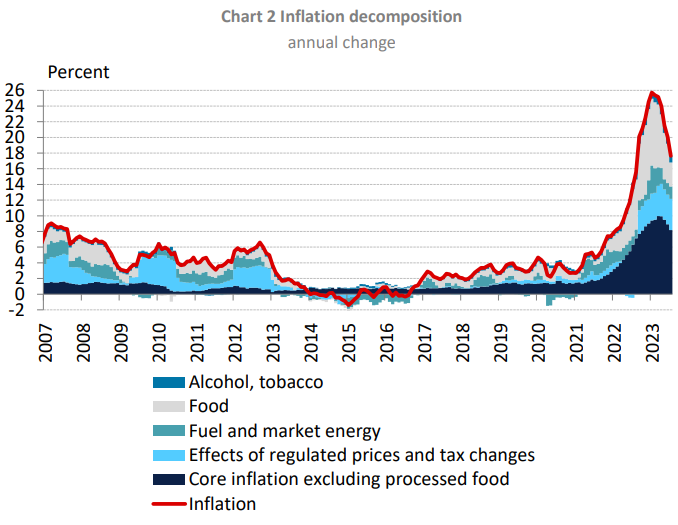
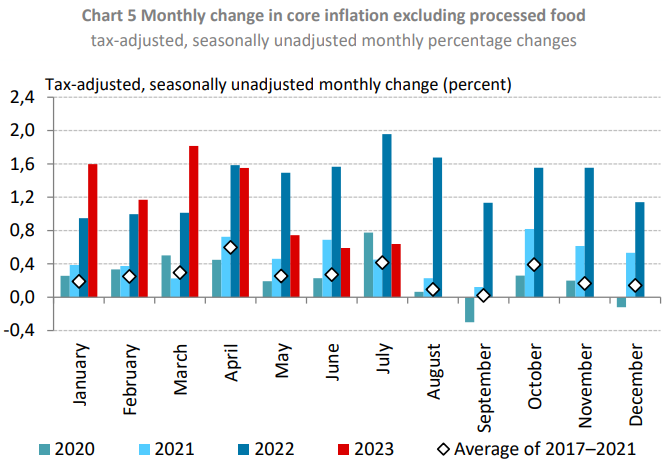
Basket prices excluding fuels and regulated prices were unchanged on a month-on-month basis, while core inflation excluding processed food, which better reflects underlying processes, was 0.6% on a month-on-month basis, similar to June.
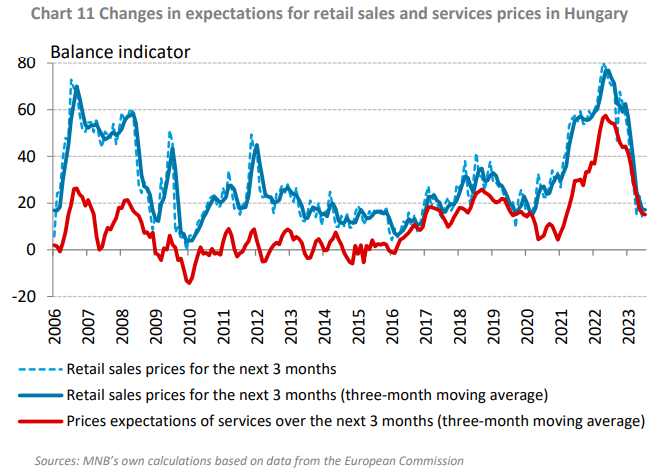
The MNB's analysis also points out that "indicators measuring households’ inflation expectations continue to show higher than usual volatility", but the "decline in corporate expectations for both retail sales and services prices continued in the month."
Cover photo: Gary Yeowell via Getty Images





