This is why the Hungarian government will have a very difficult job in 2025


The analyst recalled that the December cash deficit turned out at HUF 811 billion, resulting in a better-than-targeted full-year cash deficit for 2024. He noted that the more modest deficit than the last monthly shortfall recorded in recent years is mainly due to control on the expenditure side.
However, Péter Virovácz, who is a regular external contributor to Portfolio's 'On The Other Hand' opinion column, also pointed out that the accrual deficit may have been around 4.8% of GDP last year, which is above the government's revised target.
Detailed data will be published on 22 January, but the preliminary release of the Finance Ministry also contains some important information, the economist pointed out. Interestingly, he noted that EU-related revenues and expenditure were not mentioned this time.
"This could even be positive because the overall picture is better, but what is more likely is that spending has been well below expectations for the full year," he thinks.
Tax and contribution revenue for the central subsystem as a whole in 2024 was 8.7% higher than in the previous year. The analyst pointed out that this rate stood at 9.7% in September. "This could mean that
the fourth quarter was worse than expected on the revenue side, due to weaker economic performance.
Spending on pensions and health care totalled HUF 6,853.9 billion for the year as a whole, which is HUF 474.2 billion higher than the annual figure for 2023, he added. Virovácz also mentioned that without knowing the details, however, it is indeed difficult to draw structural conclusions that can help forecast the 2025 budget.
However, he stressed that the government has consistently accounted for the planned budget deficit in recent years.
"For the record, the deficit target going into 2025 is 3.7% of GDP, but we think there is a non-negligible chance of slippage. Given the different macroeconomic outlook, our deficit forecast is 4% of GDP and we think it is more likely that the deficit will be higher than the 3.7% target," forecasts Péter Virovácz.
To reach this target, the government would need to find a way to reduce the budget deficit by more than 1% of GDP in the year to the 2026 general election, he concluded.
The good news, according to the analyst, is that the fall in inflation-linked retail government bond yields should provide a big relief to state coffers later this year, while the government can use every last bit of discretionary funds to stimulate the economy.
In his view, this could mean in practice that
the government's main deficit target could be a primary balance close to zero.
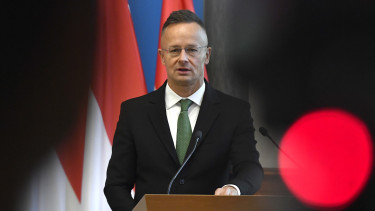
Cover photo: MTI Photo/Róbert Hegedüs