Hungarian government reached a decision on 2026 pension hike - EcoMin

The Hungarian economy is expected to grow by between 0 and 1% in 2025, with
the government anticipating a final figure of around 0.5%,
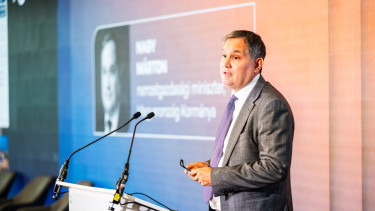
Márton Nagy announced in parliament.
The Economy Minister said that a significant upturn could come in the fourth quarter, with year-on-year growth of 1.5–2% expected, followed by growth of 2–3% in 2026.
According to the minister, the Hungarian economy would not be able to produce positive growth figures without real wage growth and consumption. This economic model is not sustainable in the long term, but it is necessary in the short term. In the long term, we need to return to investment-driven growth, which could begin next year. Additionally, the government is confident that the war in Ukraine will end, which could foster economic and physical security, the minister added.
Inflation is expected to average 3.6% next year, following 4.6% this year. Accordingly,
the government decided at its meeting on Wednesday to increase pensions by 3.6% from January,
Márton Nagy said. This is in line with the government's recent practice of raising pensions at a rate in line with expected inflation, so comes as no surprise.
According to the Economy Minister, inflation in 2026 may already be within the central bank's target range, which could help monetary policy. However,
the final decision will be made by the MNB.
By the end of this year, the rate of price increases could fall below 4%. According to some analysts, it could start at 2% at the beginning of next year before rising again in the second half due to base effects. Margin caps are helping to curb inflation by reducing the rate of price increases by around 1.5 percentage points. According to Márton Nagy,
food prices could fall significantly, with signs of this already visible in dairy and meat products.
The economy is not generating as much tax revenue for the budget as we had hoped, the minister said. Despite this, the government has decided on measures to support families and businesses, including preferential loans, tax cuts, and the gradual introduction of a 14th-month's pension. Regarding the budget, he emphasised that it will finish the year with a deficit of 5% of GDP,
which is also the government's target for 2026.
According to the Economy Minister, the budget deficit had to be allowed to increase due to the situation caused by the [Russia-Ukraine] war, but the goal of keeping the deficit from rising and ensuring the debt trajectory remains sustainable has not been abandoned. He believes that the GDP-to-debt ratio could reach 73.5% by the end of this year,
helped by the stronger forint exchange rate, despite the negative impact of lower-than-expected growth.
He added that with a 30% foreign currency share within the debt, a 1% strengthening of the forint would reduce the debt ratio by 0.3 percentage points.
Regarding the 14th-month pension, the minister emphasised that the government will pay the first instalment in February and is confident that
the full amount can be paid in less than four years.
Cover photo: Portfolio